AI Chatbots vs. Human Connection: Addressing Youth Loneliness in the Digital Age
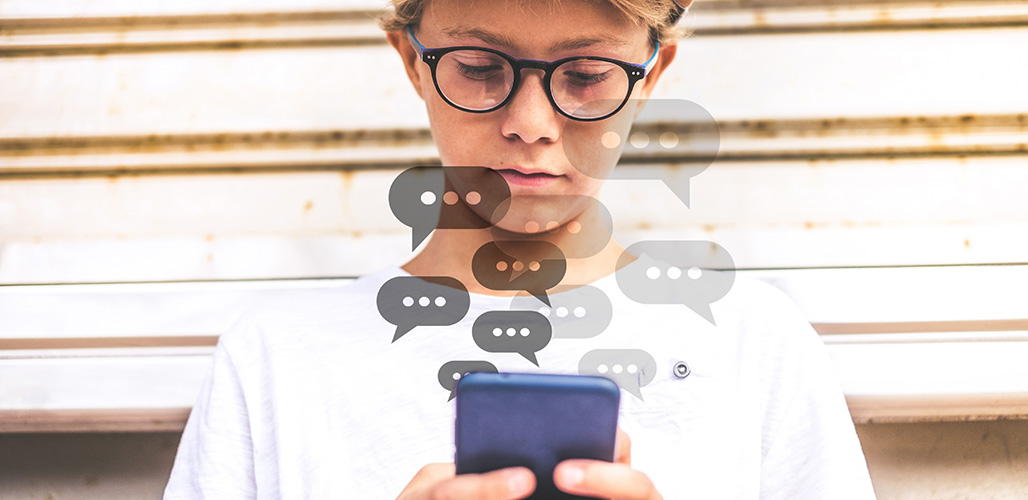
In an increasingly digital world, young people are navigating complex emotional landscapes, and a new confidante has emerged: AI chatbots. Services like ChatGPT are becoming surprising outlets where youth can express feelings, concerns, and even profound mental struggles. While these AI tools *geven jongeren* (give young people) an immediate, anonymous space to voice their thoughts, a critical question arises: can programmed empathy truly address the deep-seated need for genuine human connection, especially when it comes to the pervasive issue of youth loneliness?
The Rise of Digital Confidantes: Why Young People Turn to AI Chatbots
The appeal of AI chatbots for young people grappling with mental health concerns is undeniable. Imagine feeling overwhelmed by sadness or anxiety late at night, with no one immediately available to talk to. AI offers a 24/7, non-judgmental ear. Young individuals are increasingly turning to artificial intelligence with questions like, "Hey, I'm feeling pretty down today, what can I do about it?" This trend isn't limited to casual chats; it extends to serious personal issues such as arguments, mental health complaints, and even suicidal thoughts. In the Netherlands, for instance, a significant indicator of this shift is that crucial helplines like 113 Suicide Prevention acknowledge receiving an increasing number of referrals that originate from conversations young people have had with ChatGPT.
The accessibility and perceived anonymity of AI chatbots lower the barrier to discussing sensitive topics that youth might otherwise find difficult to share with parents, teachers, or even friends. For many, it's a first step towards articulating their feelings, providing a safe space to explore emotions without fear of judgment or immediate, potentially overwhelming, human reaction. This initial openness is a positive development, fostering a greater willingness to address mental health challenges head-on.
The Double-Edged Sword: Benefits and Inherent Risks of AI Support
While AI chatbots offer a convenient avenue for expression, experts highlight both their potential benefits and significant drawbacks. Ramón Lindauer, a psychiatrist and chairman of the child and adolescent psychiatry department of the Dutch Association for Psychiatry, notes that AI can indeed support young people, helping them articulate their feelings at any time of day. This 24/7 availability is a distinct advantage, providing an immediate outlet for distress.
However, Lindauer also points to critical risks. AI information isn't always accurate or up-to-date, and crucially, chatbots lack the capacity for the "pushback" or challenging perspectives that a human psychologist or psychiatrist might provide. This critical feedback is often essential for self-reflection and therapeutic progress.
Adding to these concerns, AI researcher Noëlle Cecilia warns about the formation of a false sense of trust. Young people can develop a strong bond with a chatbot, mistaking its programmed empathy for genuine human understanding. Since a bot is not a real person and offers only simulated compassion, this can lead to serious consequences, potentially causing young people to delay or resist seeking professional human help, with their conditions possibly worsening as a result.
The rapid advancement of AI has even led to new legislation, such as the AI Act, which stipulates that AI must be safe and that in complex cases, human oversight should be possible. Yet, experts widely agree that current legislation struggles to keep pace with the realities of AI's integration into daily life. They advocate strongly for clear disclaimers and widespread awareness campaigns to educate young people about the limitations and risks associated with AI chatbots. For a deeper dive into these complexities, read our related article on
Teens Confide in AI: The Double-Edged Sword of Digital Support.
The Irreplaceable Power of Human Connection: What Research Reveals
Despite the convenience of AI, recent research underscores the profound and irreplaceable value of human connection in combating loneliness. A study from the University of British Columbia involving 300 first-year university students provided compelling evidence. Over two weeks, students were randomly assigned to one of three groups: daily messaging with a randomly chosen peer, daily one-sentence journaling, or daily interaction with a Discord chatbot powered by ChatGPT-4o mini.
The findings were stark: students who messaged a random peer daily reported approximately a **nine percent reduction** in feelings of loneliness. In contrast, those who chatted daily with the Discord chatbot experienced only about a **two percent reduction** in loneliness – a figure comparable to the minimal impact of daily one-sentence journaling.
This research highlights a crucial distinction: even when the chatbot was specifically instructed to "actively listen and show empathy" and act as a "friendly, positive, and supportive AI friend," it simply could not replicate the benefits of genuine human interaction. Participants in the human-human interaction group reported significantly less loneliness after the study, while those paired with a chatbot did not see a comparable improvement.
The study demonstrates that while AI chatbots *geven jongeren* a platform for self-expression, they fall short of providing the nuanced, reciprocal, and truly empathetic connection that humans inherently need. Real empathy involves shared experiences, non-verbal cues, and the capacity for genuine understanding and support that goes beyond programmed responses. For more insights into this critical difference, explore our article
Mental Health & AI: Why Real Empathy Outperforms Programmed Bots.
Navigating the Digital Landscape: Tips for Youth and Guardians
Understanding the landscape of AI and human connection is vital for fostering healthy development and combating loneliness among youth. Here are some practical tips for both young individuals and their guardians:
For Youth:
- View AI as a Starting Point, Not a Solution: Use chatbots to articulate initial feelings or explore options, but understand they are not a substitute for human advice or professional therapy.
- Be Critical of Information: Always question the accuracy and relevance of AI-generated advice, especially concerning health or personal decisions.
- Prioritize Real-World Connections: Actively seek out opportunities for face-to-face interactions with friends, family, and mentors. Join clubs, volunteer, or participate in group activities.
- Recognize Programmed vs. Real Empathy: Understand that a chatbot's responses are algorithmic, not genuine emotional understanding. True empathy comes from another human's lived experience.
- Know When to Seek Professional Help: If feelings of sadness, anxiety, or loneliness persist or worsen, or if you experience suicidal thoughts, reach out to a trusted adult, school counselor, doctor, or mental health professional immediately.
For Parents and Educators:
- Foster Open Communication: Create an environment where young people feel safe discussing their feelings and digital habits without fear of judgment.
- Educate About AI's Limitations: Discuss with youth what AI chatbots can and cannot do, emphasizing the difference between programmed responses and human understanding.
- Encourage Face-to-Face Social Activities: Support and facilitate participation in sports, hobbies, or community groups that promote real-world interaction.
- Model Healthy Tech Use: Demonstrate balanced digital habits and prioritize family time over screen time.
- Provide Access to Professional Resources: Be aware of and share information about mental health services, helplines, and counselors in your community.
Conclusion
AI chatbots offer a new, low-threshold gateway for young people to articulate their feelings and discuss mental health concerns, effectively lowering barriers to initial expression. This accessibility is a valuable asset in an era of rising youth loneliness. However, it is crucial to recognize that while AI chatbots *geven jongeren* an immediate outlet, they cannot replace the profound, nuanced, and truly empathetic connection that only humans can provide. As research clearly shows, genuine human interaction is vastly more effective at reducing loneliness and fostering true emotional well-being. For lasting support and development, prioritizing real-world relationships and seeking professional human help when needed remain paramount. AI should be seen as a useful tool, but never a substitute for the irreplaceable power of human connection.